A Methodical Approach to Latin Movement

Our salsa and rumba classes are organized around clear progressions. Each session introduces foundational steps, then builds on them through structured patterns. Instructors break down timing, weight transfers, and arm styling into manageable components. This framework allows participants to develop coordination and musicality at their own pace, without pressure to perform. The emphasis remains on understanding the mechanics of each dance style, step by step.

Key Elements of Our Latin Dance Classes

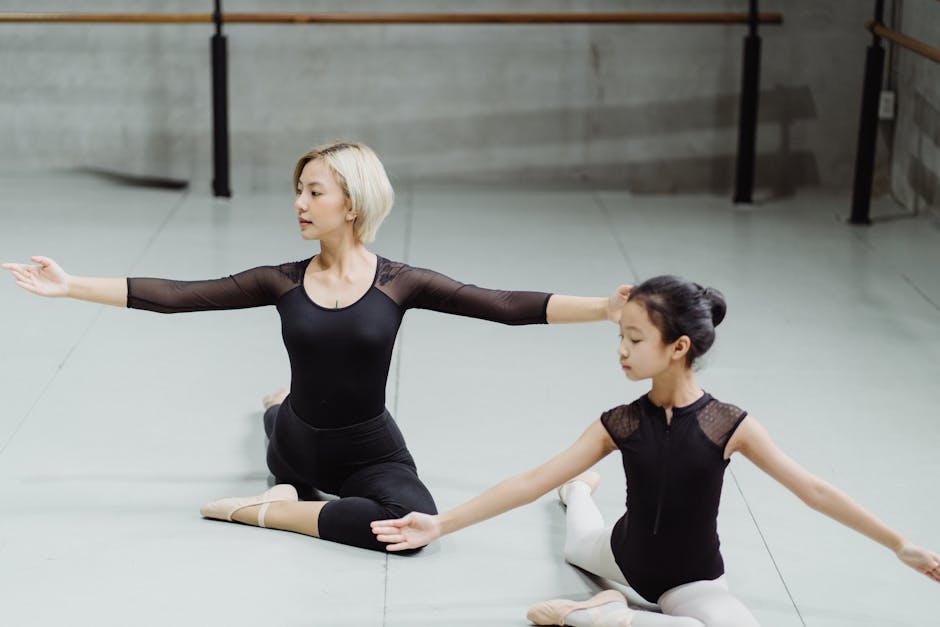
High angle of concentrated little Asian ballerina with young female instructor in leotards and leggings performing choreographic exercise with outstretched arms during training in spacious studio
  • Rhythmic Foundation

    Learn to identify and move with salsa and rumba musical patterns through structured exercises.

  • Footwork Techniques

    Practice precise weight shifts, side steps, and turns using a step-by-step methodology.

  • Partner Connection

    Develop clear lead-follow mechanics for smooth partner interactions in closed and open positions.

  • Cultural Context

    Explore the historical and musical background that shapes salsa and rumba styles.

Understanding the Class Structure

Each class follows a consistent format: warm-up, technique breakdown, and practice drills. Instructors demonstrate moves at a moderate pace, allowing participants to observe and then replicate. Questions are encouraged, and corrections are given in a supportive manner. The environment is designed for learning, not performance. By repeating core patterns in varied combinations, dancers gain familiarity with the structure of Latin dance without needing to memorize long routines.

How Our Latin Dance Sessions Unfold

  1. 1. Introduction & Warm-Up

    Begin with basic body isolations and rhythm exercises to prepare for movement.

  2. 2. Step Breakdown

    Learn the fundamental step pattern of salsa or rumba, broken into slow counts.

  3. 3. Partner Drills

    Practice connection and leading/following with guided partner exercises.

  4. 4. Pattern Application

    Combine steps into short sequences that reinforce timing and coordination.

Detailed Class Content and Methodology

Our salsa and rumba curriculum is divided into progressive levels. In beginner sessions, the focus remains on basic forward-backward steps, side steps, and the classic 'quick-quick-slow' timing of salsa. Rumba classes introduce the 'slow-quick-quick' rhythm and hip movement as a natural result of weight transfer. Intermediate sessions add turns, cross-body leads, and syncopated footwork. All routines are taught as modular blocks that can be rearranged, so participants learn to adapt rather than memorize. Instructors explain how each move relates to the music's structure—claves, congas, and cowbells—so dancers can eventually improvise within a framework. The approach is purely informational: we present the steps, the timing, and the logic behind common variations, allowing each dancer to decide how to apply them. No claim is made about speed of learning or performance outcomes; progress depends on individual practice and familiarity with the material.
Get in Touch About Latin Dance Classes

Use this form to ask questions about our salsa and rumba classes, schedule a trial visit, or request more details about class levels and availability.

Contact Us

💃 Dance Indy
Dance Indy offers structured salsa and rumba classes for adults and children in Indianapolis. We focus on step-by-step learning in a supportive environment.
Address: 1 Monument Circle, Indianapolis, IN
Contact: 317-832-5694

© 2026 Dance Indy. All rights reserved.

We use cookies

We use cookies to ensure the proper functioning of the website, analyze traffic, and improve your experience. You can accept all cookies or reject them — the site will continue to operate. For more details, read our Cookie Policy.